
Botox in NE Portland with Dr. Heather Friedman ND: What You Need to Know
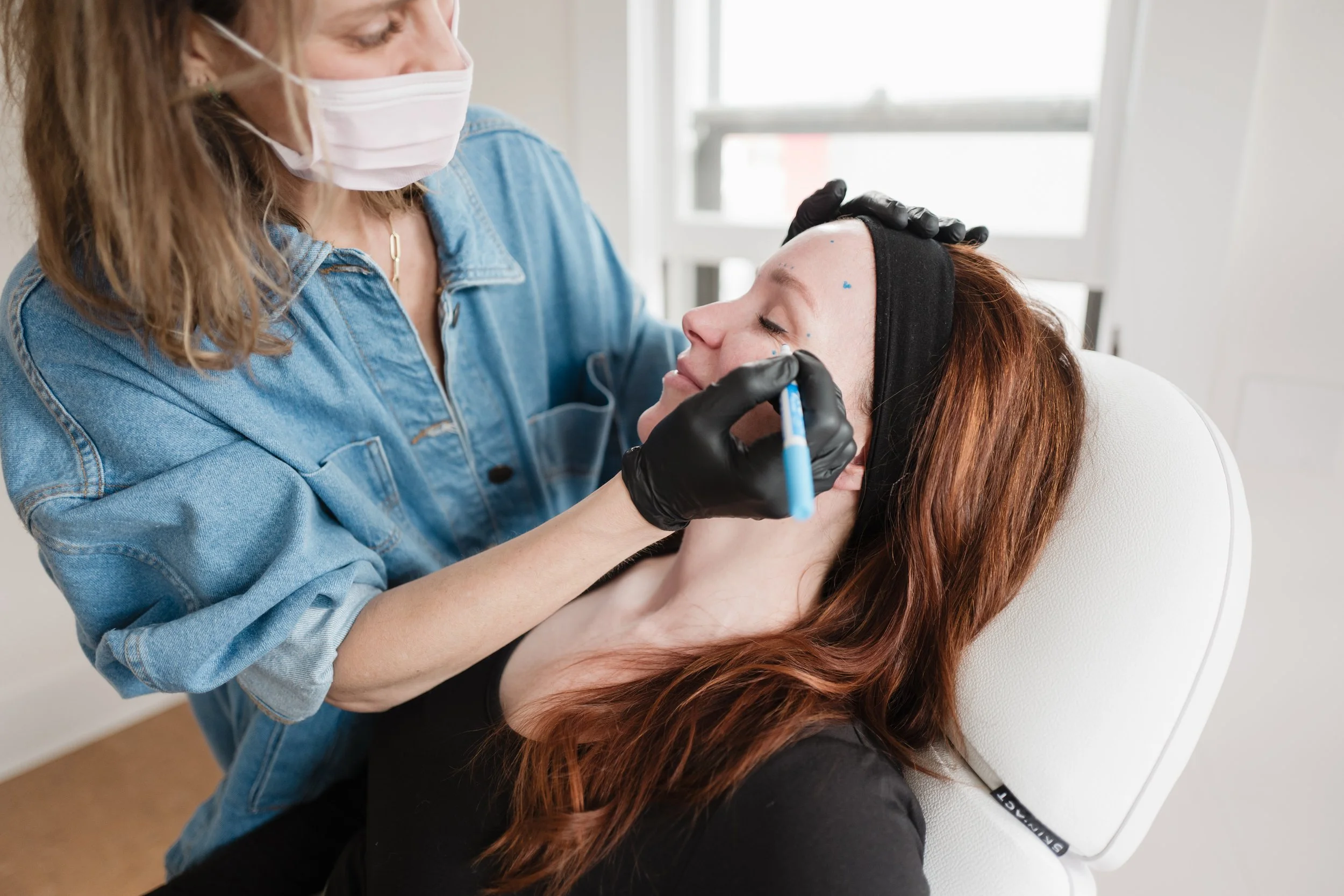
Botox is one of the most common treatments I perform in my practice here in NE Portland. Because I use it daily, I’m very familiar with both its benefits and its safety profile. That said, I’m often surprised by how many misconceptions still exist.
In this blog, I’ll walk you through the basics of Botox Cosmetic—what it is, how it works, and what to expect.
A Brief History of Botox
Botulinum toxin was first described in 1817 by Dr. Justinus Kerner, who studied botulism, a serious form of food poisoning that causes muscle paralysis. Interestingly, he proposed that, in small controlled doses, this toxin could be used therapeutically.
Fast forward to the 1990s, when Drs. Jean and Alastair Carruthers discovered that botulinum toxin type A could soften facial wrinkles. Since then, Botox has become the most popular aesthetic treatment worldwide.
How Botox Works
Botox (botulinum toxin type A) is a purified protein that temporarily relaxes targeted facial muscles.
After injection, it blocks the release of acetylcholine—the signal that tells muscles to contract. Without this signal, the muscle relaxes. Over time, this:
Softens existing lines
Prevents deeper wrinkles from forming
Creates a smoother, more refreshed appearance
The effect is temporary, and the muscle gradually regains function over several months.
Types of Botulinum Toxin Available
There are several FDA-approved neuromodulators available in the U.S. While they all work similarly, they differ slightly in formulation and behavior:
Botox Cosmetic (onabotulinumtoxinA)
Dysport (abobotulinumtoxinA)
Xeomin (incobotulinumtoxinA)
Jeuveau (prabotulinumtoxinA)
Daxxify (daxibotulinumtoxinA)
All are derived from Clostridium botulinum type A, but differences in manufacturing can affect things like diffusion and duration. For example, Dysport may have slightly greater spread compared to Botox or Xeomin.
When You’ll See Results
Initial effects: 3–5 days
Peak results: 2–4 weeks
Duration: 3–4 months
With consistent treatment, some patients notice longer-lasting results over time.
When to Repeat Treatment
Most patients return every 3–4 months.
Treating too frequently is not recommended, as it may increase the risk of developing resistance (antibodies). This is less of a concern with Xeomin, which does not contain accessory proteins.
Side Effects and Safety
Botox is considered very safe when performed by an experienced injector. That said, possible side effects include:
Common, temporary effects:
Mild discomfort at injection site
Redness or bruising
Minor swelling
Less common:
Headache or flu-like symptoms (rare)
Rare but important:
Temporary effects on nearby muscles (e.g., lid drop, brow heaviness, or altered smile)
Allergic reactions are extremely rare (less than 0.1%).
Botox in NE Portland
If you’re considering Botox in NE Portland, my approach is always natural, precise, and individualized. My goal is not to “freeze” your face, but to soften lines while maintaining your natural expression.
Final Thoughts
Botox remains the most widely performed aesthetic treatment for a reason—it’s effective, predictable, and minimally invasive. When done thoughtfully, it can enhance your appearance in a way that still looks like you.
Reference:
van Loghem J. Botulinum Toxin in Aesthetic Medicine: Injection Protocols and Complication Management. CRC Press; 2023.